Unlocking Dynamic Pages: The Evolution of Netflix’s Client-Server GraphQL APIs
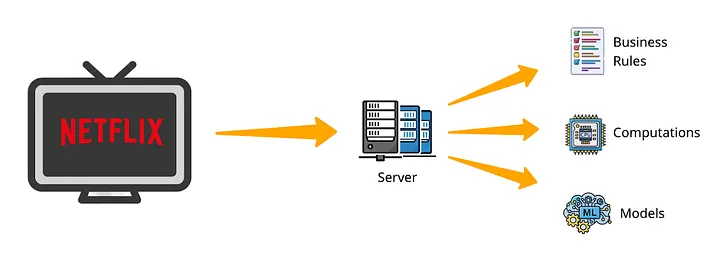
When a user opens the Netflix app, a flurry of activity happens behind the scenes. The app requests the homepage from a server, which assembles a personalized page using a combination of business rules, computations, and machine learning models.
In the past, once the homepage was constructed, it would remain static and unchanged for the remainder of that user’s session, with some notable exceptions such as My List and Continue Watching. A few years ago, we began experimenting with making the experience more personalized for that precise moment in time, and we updated the page dynamically based on the user’s behavior during that session. For example, after viewing multiple comedy show trailers, a user would see an updated page that included relevant comedy titles. Enabling this experience required modifications to device call patterns, APIs, and backend page construction systems. However, as these changes were limited in nature, our systems were still largely operating with a static page paradigm. This imposed significant constraints on the nature and scope of page updates possible. To support more dynamic pages, our systems required much larger foundational investments. Since then, driven by evolving business needs, we have made significant progress toward this goal. In this blog post, we will share our work in GraphQL APIs and triggers. From the device perspective, these two work together to enable dynamic updates — APIs for fetching page data and subsequent updates and triggers to initiate those page updates.
Comments (0)
No comments yetPlease login to write a comment!